


Before diving into the exciting world of table games, it is crucial to grasp the fundamental rules and mechanics associated with each game type. Popular table games include blackjack, poker, and roulette, each with unique strategies and rules. For example, blackjack is centered around achieving a hand value of 21 or as close as possible without going over, while poker involves making the best possible five-card hand to win against opponents. Many players also seek options that offer convenience, such as online casino fast withdrawal features, as understanding the basic rules helps set a solid foundation for further strategy development and enhances overall enjoyment of the games.
Familiarizing yourself with the game's terminology is equally vital to mastering table games. Terms such as 'hit', 'stand', 'fold', and 'raise' are essential in understanding gameplay dynamics and strategies. Take the time to learn the lingo so you can communicate effectively with other players and dealers. This knowledge builds confidence and allows you to immerse yourself more fully in the gaming experience, transforming you from a novice to a skilled player.
Lastly, it’s important to recognize that each table game has its own odds and house edge. Understanding these statistics can significantly influence your decision-making during gameplay. For instance, in blackjack, basic strategy can reduce the house edge to less than one percent when executed properly. In contrast, games like roulette can have varying house edges, depending on the type of bets made. Knowing these odds can impact your betting approach and overall gameplay, making you a more informed and strategic player.
Once you've grasped the basic rules and terminology, the next step is to develop effective strategies tailored to each game. In blackjack, employing basic strategy charts can help guide your decisions on hitting, standing, or doubling down. These charts provide optimal plays based on your hand and the dealer's visible card. Such strategies not only enhance your chances of winning but also promote disciplined gameplay, minimizing impulsive decisions that can lead to significant losses.
For poker players, strategy development often revolves around understanding opponents’ behavior and betting patterns. The ability to read body language, discern betting tendencies, and leverage positions at the table can greatly influence your success. Advanced players often engage in techniques like bluffing—carefully misleading opponents to fold superior hands—while also managing their chip stacks effectively. Mastering these tactics transforms poker from a mere game of luck to one of skill and psychological warfare.

Finally, it's essential to adapt your strategies according to the game dynamics and opponent styles. Flexibility in your approach is key as rigid strategies may lead to predictable gameplay. Observing trends and patterns during a session can provide insights into when to switch tactics, whether it involves aggressiveness or a more conservative approach. Mastering the art of adapting your strategies can elevate your gaming experience and improve your chances of success at the table.
Effective bankroll management is arguably one of the most critical skills a table game player can master. Setting a budget before you start playing ensures that you engage responsibly and helps prevent emotional decision-making when faced with wins or losses. A solid rule of thumb is to allocate a specific portion of your total bankroll for each gaming session, allowing you to play without the pressure of exceeding your financial limits.
In addition to setting limits, it is essential to determine your betting sizes based on your bankroll. A common approach is to bet only a small percentage of your total bankroll on each wager. This method not only extends your playtime but also mitigates the risk of substantial losses. For instance, if your bankroll is $500, you might choose to bet only $5 to $10 per hand. This strategy allows you to withstand the inevitable ups and downs of table games without jeopardizing your entire bankroll.
Moreover, it’s advisable to regularly assess your bankroll throughout your gaming session. Tracking your wins and losses helps you make informed decisions about whether to continue playing or to walk away. If you find yourself consistently losing, it may be beneficial to take a break or to reevaluate your strategy. By practicing effective bankroll management, you maintain control over your gaming experience, fostering a healthier and more enjoyable relationship with table games.
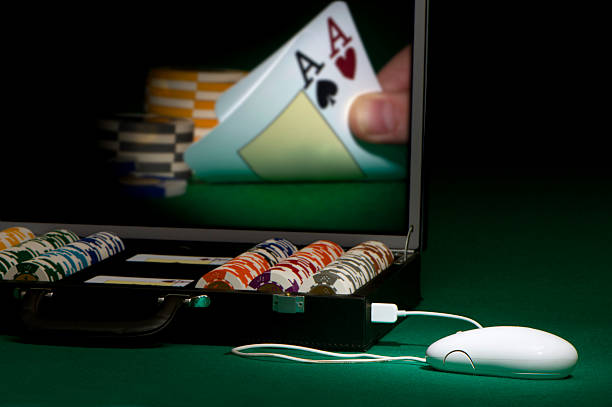
No matter how seasoned a player you may become, continuous practice and skill improvement are essential facets of mastering table games. Utilizing online platforms and apps designed for gaming practice can enhance your skills in a risk-free environment. These resources allow players to hone their strategies, explore new techniques, and even engage in simulated games against opponents. This practice is particularly useful for poker players who can become familiar with various scenarios without the pressure of a live setting.
Additionally, joining gaming communities or groups can provide valuable insights and tips from fellow enthusiasts. Engaging in discussions about strategies, experiences, and game theory can broaden your perspective and introduce you to new ideas. Sharing experiences with others also fosters a sense of camaraderie and motivation to keep improving your game. Consider participating in forums, social media groups, or local gaming clubs to connect with other players.
Attending workshops or taking classes focused on specific table games can also significantly enhance your skill level. Many casinos and gaming establishments offer lessons led by experienced dealers and players. These opportunities allow you to ask questions, practice in real-time, and learn advanced strategies that may not be readily available in books or online resources. Embracing various forms of practice ensures that you remain sharp and competitive at the tables, ready to tackle any challenge that arises.
The internet is a treasure trove of resources for players looking to improve their table game skills. Numerous websites offer tutorials, strategy guides, and forums to discuss gameplay, strategies, and experiences. Utilizing these resources can provide a deeper understanding of the games and keep you updated on the latest trends and techniques within the gaming community. You can find valuable written content, videos, and interactive tools that cater to players of all skill levels.
Moreover, many online casinos and gaming platforms provide free play options, allowing you to practice without financial risk. These platforms often replicate the feel of traditional table games, offering both live and virtual experiences. Engaging in free play enables you to apply the strategies you've learned, test new techniques, and refine your skills before playing with real money.
Lastly, leveraging social media platforms can connect you to a broader gaming community. Many experienced players share insights, tips, and personal experiences through videos, blogs, or live streams. Following these content creators allows you to gain information in an engaging format while building a social network around your passion for table games. By actively participating in these online communities, you can turn your dedication into mastery, making your table game journey both enjoyable and successful.

Le Grand Liège
Place Saint-Michel 80, 4000 Liège
info@legrandliege.be
0470/90.48.95


© 2025 Le Grand Liège • Tous droits réservés • Design & development by KNOK Design