


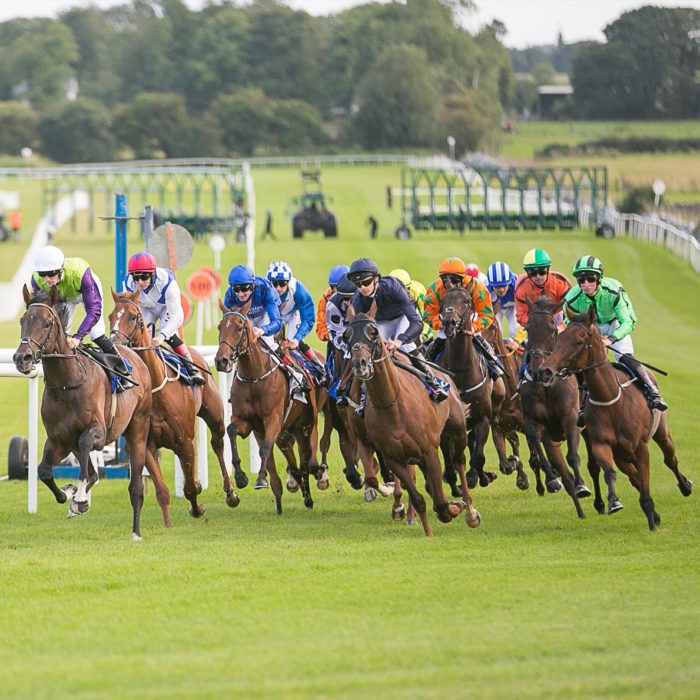
In the vibrant world of UK horse racing, excitement and anticipation are constants, especially during major events. However, there are times when anticipated events are marked as 'not on' — be it due to adverse weather conditions, health concerns, or logistical challenges. This article delves into the implications of these cancellations, examining how they influence fans, betting markets, and the sport itself. Many passionate fans turn to sources such as UK horse racing not on GamStop merseysidepolicemounted.uk for updates on events, especially during uncertain times.
Weather is one of the most common reasons for raceday cancellations in the UK. From heavy downpours turning tracks into mud piles to cases of extreme heat, conditions can swiftly lead to a decision of 'not on' for an event. For instance, conditions that lead to a heavy track can drastically affect horse performance, resulting in decisions that prioritize animal welfare over profit. These cancellations can cause significant disruption in the calendar year, where certain meetings are integral to the racing season and build-up to major festivals like Cheltenham or Aintree.
When events are marked as 'not on', the economic ramifications resonate throughout the entire racing industry. Bookmakers, who rely heavily on punters turning out for the races, face potential losses. When a race meeting is called off, it not only affects the bookmakers but also the local businesses that benefit from the influx of visitors. Pubs, hotels, and restaurants in racing regions often swell their revenues during prominent race days — cancellations can lead to significant financial dips. For regional economies reliant on racing-related tourism, each cancelled event can be a blow to the local financial ecosystem.
The betting industry is intrinsically linked to horse racing, with large portions of its revenue coming from race day wagers. When an event is deemed 'not on', it can result in disappointment and financial loss for punters as well. Bets placed prior to a cancellation may remain valid or return stakes, but the inherent thrill of betting on live races is lost. Furthermore, it can create a ripple effect where punters might hesitate to wager on upcoming events, creating uncertainty in their behavior. For bookmakers, it is essential to communicate effectively regarding alternative betting opportunities to maintain customer engagement during these 'not on' periods.
For dedicated racing fans, cancelled events present both logistical challenges and emotional distress. Racing is more than just a sport; it is a community marked by shared rituals, traditions, and experiences. When favourite races are cancelled, it disrupts not just the schedule but also the social fabric that surrounds these events. Fans often turn to social media and online platforms to voice their frustrations, share stories, and seek updates regarding rescheduled events or other nearby races they can attend. In these instances, the sense of community is called upon to reel in fans and keep spirits high during otherwise disappointing times.
In more recent times, issues such as health crises — prompted by the COVID-19 pandemic — have played a significant role in marking events as 'not on'. The pandemic led to unprecedented cancellations and rescheduling across the sports world, including horse racing. Ensuring the safety of participants, attendees, and staff became paramount, leading to swift decisions regarding the calendar. The long-term effects of these cancellations forced the industry to adapt in various ways, from implementing enhanced safety protocols to developing fan engagement through digital means. With the rise of virtual betting and online events, some may argue that the impact of health-related cancellations has also accelerated the digital transformation within the racing community.
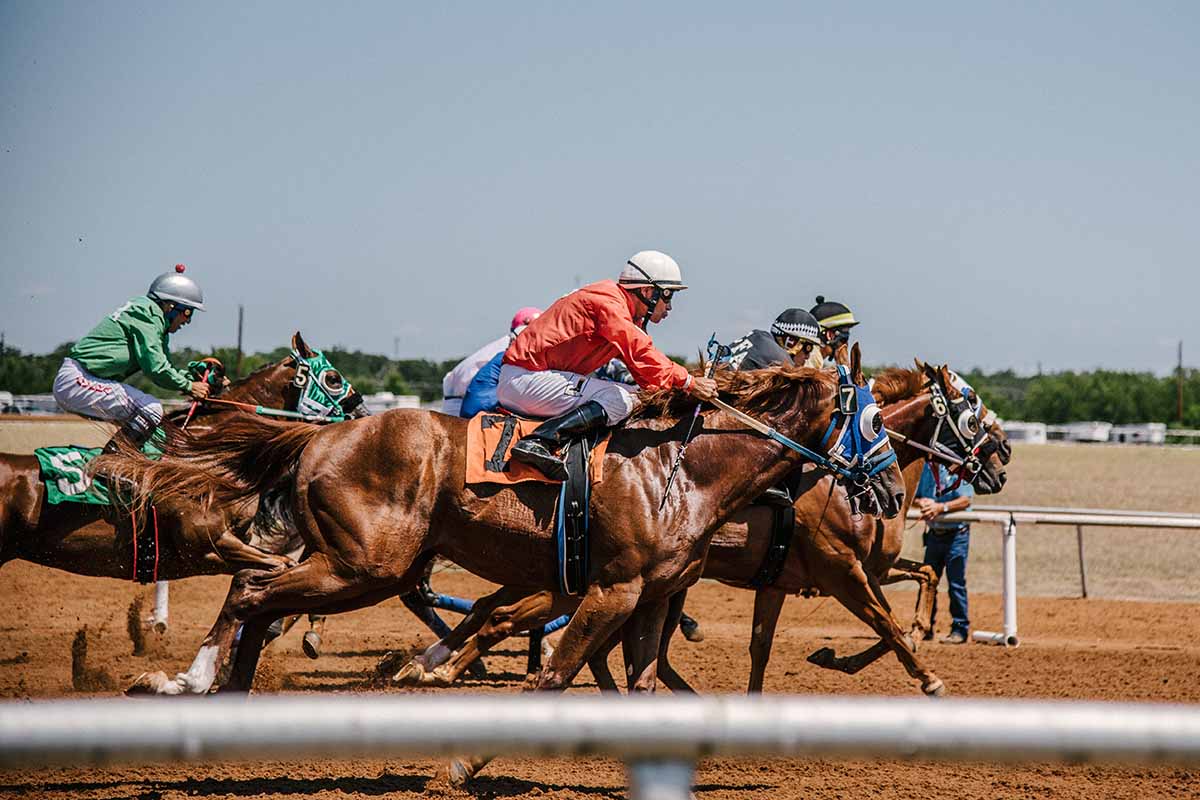
Moving forward, the industry must develop adaptive strategies to address both environmental and situational uncertainties that lead to events being 'not on'. These could include improved weather forecasting tools, advanced drainage systems on tracks, or alternate scheduling frameworks that take potential disruptions into account. Furthermore, maintaining strong relationships with local communities and businesses is crucial in fostering support when events are altered or cancelled. Innovation and flexibility will dictate how successfully the UK horse racing industry navigates future challenges while maintaining its vibrant traditions.

The significance of 'not on' events in UK horse racing extends far beyond the immediate effects of cancellations. From economic implications to fan community impact, the consequences are deeply intertwined with the essence of the racing culture. Understanding these dynamics can help stakeholders navigate the complexities of the industry, ensuring that they remain resilient in the face of uncertainty. Adaptive planning and effective communication with fans and bettors alike will be key to preserving this cherished sport for generations to come.

Le Grand Liège
Place Saint-Michel 80, 4000 Liège
info@legrandliege.be
0470/90.48.95


© 2025 Le Grand Liège • Tous droits réservés • Design & development by KNOK Design